
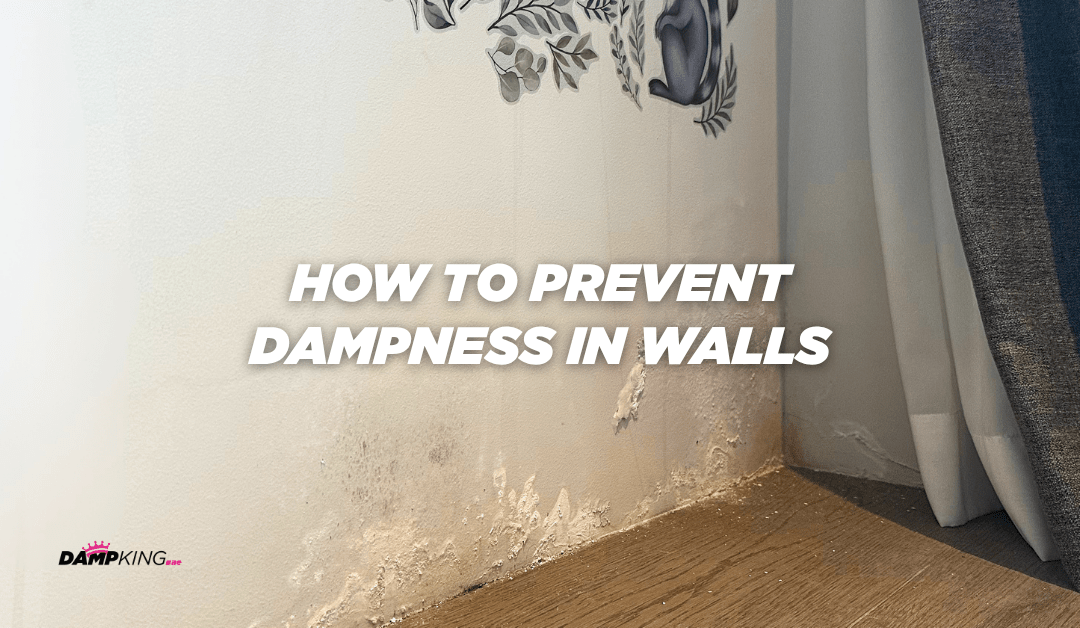
The best way to prevent dampness in walls is to control moisture before it enters or remains inside the building. This means checking for plumbing leaks, sealing cracks around external walls and windows, maintaining air-conditioning systems, improving airflow in humid rooms, and arranging professional damp-proofing where moisture is rising from the ground.
Damp on walls can cause peeling paint or bubbling paint, unpleasant smells, staining and mould growth. In Dubai, dampness can develop for several different reasons. Coastal humidity, regular air-conditioning use, condensation, bathroom moisture, roof leaks and sealing faults around balconies or external walls can all contribute to the problem.
A small damp patch may look like a simple painting issue, but covering it with fresh paint often leaves the real moisture source untreated. The right approach starts with finding where the moisture is coming from and then choosing a suitable solution.
Why Do Walls Become Damp in Dubai?
Dubai has a hot desert climate, but its location beside the Arabian Gulf also means that the city experiences noticeable humidity. The Dubai Government Media Office records very hot and humid summers, winter rainfall, and higher average humidity during January and February. These conditions can affect walls, ceilings, windows and air-conditioning areas in both residential and commercial properties.
Dampness may come from a leaking water or drainage pipe, a crack in an external wall, poor waterproofing on a roof or balcony, or condensation around a cold air-conditioning surface. Bathrooms and kitchens can also create excess moisture when ventilation is poor. In some properties, moisture can rise from the ground and affect the lower section of a wall.
The location and pattern of a damp patch can provide useful clues. Dampness near a bathroom may suggest a plumbing or waterproofing issue. A patch near an air-conditioning unit may relate to condensation or a blocked condensate drain. If the dampness begins at floor level, the wall may need to be assessed for rising moisture or a problem with waterproofing.
Fix Leaking Pipes Before They Damage the Wall
A slow leak can remain hidden behind a wall, below the floor or above a ceiling for a considerable period. The first signs may include a darker patch, soft plaster, bubbling paint or a musty smell.
Pay close attention to areas around bathrooms, shower pipes, kitchen sinks, washing machine connections, water heaters and air-conditioning condensate lines. Roof tanks, service areas and balcony drainage points also deserve regular inspection.
It is better to investigate a small sign of moisture early than to wait until water becomes visible on the floor. A hidden leak can continue to saturate plaster and masonry, allowing the damage to spread beyond the original point of entry.
If the damp area keeps returning after cleaning or repainting, a proper inspection should be arranged. Damp King can assess the affected area, identify the likely moisture route and recommend a suitable damp-proofing or waterproofing solution for the property.
Seal Cracks Around External Walls and Windows
Small cracks can allow moisture to enter the building, particularly when rainwater collects around balconies, roof edges, window frames or external wall joints. Cracks commonly appear where different building materials meet, around pipe entry points, at external corners and near expansion joints.
A small surface crack should be cleaned and sealed with a suitable waterproof sealant. However, a simple filler may only hide the problem if the crack is caused by movement, water pressure or a wider waterproofing defect.
Recurring cracks, larger openings and cracks connected to damp patches require closer attention. In such cases, the affected area may need professional waterproofing rather than a quick surface repair. Damp King provides damp-proofing services that address moisture at its source rather than relying on repeated decoration.
Maintain Air-Conditioning and Condensate Drainage
Air-conditioning is an essential part of everyday life in Dubai. During the hotter months, homes, offices and shops often remain cooled for long periods. When warm humid air meets a cold wall, ceiling, window frame or poorly insulated duct, condensation can form.
Air-conditioning-related dampness may appear as a watermark below an indoor unit, a damp patch around a vent, bubbling paint near the ceiling or mould around an air-conditioning outlet. Some people also notice a musty smell from the room or moisture near a condensate drain line.
Keep air-conditioning filters clean and arrange regular servicing of indoor units. The condensate drain should remain clear so that collected water can leave the system properly. When the drain becomes blocked, water may overflow into the wall, ceiling or surrounding plaster.
If a wall becomes damp only when the air-conditioning is running, the cause may involve condensation, insulation or condensate drainage. Repainting the area will not resolve the problem until the moisture route has been checked.
Improve Airflow in Bathrooms and Kitchens
Bathrooms and kitchens produce more moisture than most other rooms. Steam from showers, cooking and washing can remain trapped when extraction is weak or when the room receives very little fresh air.
Run the bathroom exhaust fan during and after a shower, and use the kitchen extractor while cooking. Keep ventilation grilles clean and check that the fan is releasing air outside rather than into a ceiling void. Where outdoor conditions are suitable, open windows to encourage fresh airflow through the property.
Wet towels should not be left against walls, and damp surfaces should be dried after use. Keeping the bathroom door open after ventilation can also help the room dry more quickly.
Better airflow can reduce surface condensation, but it cannot repair a leaking pipe, failed waterproofing system or rising damp. If the dampness continues despite improved ventilation, the wall needs a closer inspection.
Keep Furniture Away from External Walls
Large wardrobes, cabinets and sofas can restrict airflow behind them. This creates a stagnant space where moisture may remain hidden, especially when the furniture is placed against a cooler external wall.
Leaving a small gap between heavy furniture and the wall allows air to circulate more freely. It is also helpful to move wardrobes occasionally and inspect the wall behind them. Dark marks, mould, peeling paint, damp smells and soft plaster can all indicate that moisture has been developing out of sight.
If the wall behind a wardrobe feels damp or the problem has affected the back of the furniture, avoid placing it back against the wall until the source has been identified and treated.
Control Indoor Humidity
A room can feel cool while still containing excess moisture. This often happens when air-conditioning lowers the temperature but does not remove enough humidity from the indoor air.
Using a dehumidifier in an enclosed or moisture-prone room can help control moisture. It can also help to keep bathrooms ventilated, dry wet areas quickly, allow air to move between rooms, and avoid creating unnecessary moisture inside closed spaces.
Wardrobes and storage areas should receive occasional airflow, particularly when they are positioned against external walls. A digital hygrometer can also help you monitor indoor humidity and notice changes before condensation or mould becomes visible.
A dehumidifier can support a healthier indoor environment, but it cannot repair water entering through a wall, floor or ceiling. If there is an active leak or waterproofing failure, the source must be addressed separately.
Check Roofs, Balconies and External Surfaces
Dubai receives less rainfall than many other regions, but winter rain can still expose weaknesses in roof membranes, balcony joints, external wall cracks and drainage points. Water may enter through a small defect and travel inside the building before appearing as a damp patch elsewhere.
After rainfall, look for standing water on roofs and balconies, open joints, damaged sealant, cracked waterproofing layers and water marks around parapet walls. Doors and windows should also be checked for gaps that may allow water to enter.
The visible damp patch inside a room may be some distance from the actual entry point. For this reason, waterproofing work should consider the entire affected area and the likely route water will take.
Damp King provides damp solutions for areas where moisture enters through external surfaces, wet areas, roofs, balconies and building joints.
Install or Repair a Damp-Proof Course
A damp-proof course, commonly known as a DPC, creates a barrier against moisture moving upwards through the lower part of a wall. When the existing barrier is missing, damaged, bridged or ineffective, moisture may affect skirting boards, plaster and paint near floor level.
Dampness that starts at the bottom of a wall, flaking plaster, powdery surface deposits and peeling paint near skirting boards can all be signs of rising moisture. A persistent musty smell and recurring damage after repainting may also require further investigation.
However, these signs can sometimes be caused by a plumbing leak, external water entry or condensation. A diagnosis should therefore come before treatment.
Damp King specialises in damp-proofing services across Dubai and the UAE. The service includes a free property consultation and a tailored treatment approach based on the walls’ condition and the moisture pattern found at the property.
Use Suitable Protective Coatings
Protective coatings can help reduce water penetration when they are selected and applied correctly. External surfaces may require a suitable breathable waterproof coating, while affected internal walls need a specialised primer and paint after the moisture source has been controlled.
The surface must be prepared properly before any new coating is applied. Loose paint and damaged plaster need to be removed, and the wall should be allowed to dry sufficiently. The correct primer or protective coating can then be applied before repainting.
Painting over an active damp patch often leads to the same result again. The paint may peel, bubble or become stained because moisture is still moving through the wall. A coating can support a wider damp-proofing or waterproofing solution, but it should not be used to hide continuing moisture.
Do Not Ignore Bubbling or Peeling Paint
Bubbling paint can indicate that moisture, heat, or poor surface adhesion has affected the coating. When a wall remains damp, water can build pressure behind the paint, causing it to lift away from the surface.
Raised paint blisters, flaking paint, soft plaster, yellow or brown stains, white powdery deposits and dark marks around corners should all be taken seriously. Mould near windows, ceilings or air-conditioning outlets may also indicate an ongoing moisture problem.
Avoid sanding or repainting the area before understanding the cause. Disturbing a mould-affected surface can spread particles around the room, while repainting can make the underlying issue more difficult to identify.
Damp King can help investigate recurring dampness, wall staining, paint bubbling, and moisture-related surface damage before recommending suitable damp-proofing work.
Can Opening Windows Prevent Damp Walls in Dubai?
Opening windows can improve airflow, but it may not be practical at every time of day in Dubai. Outdoor humidity, heat, and dust can make open-window ventilation less suitable during certain periods.
A balanced approach works better. Ventilate the property when outdoor conditions allow, run exhaust fans in bathrooms and kitchens, keep air-conditioning filters clean, and use a dehumidifier in enclosed rooms where moisture levels remain high.
If ventilation improvements do not stop the dampness, the source may be a plumbing leak, a waterproofing defect, a condensation point, or rising moisture. In that situation, the wall requires a professional assessment rather than more airflow alone.
How Can I Prevent Mould from Returning to a Wall?
To prevent mould from returning, the moisture source must be controlled first. Cleaning visible mould may improve the wall’s appearance, but the problem can return if the surface remains damp.
Check whether the wall is close to a bathroom, kitchen, air-conditioning unit, external crack, roof area or balcony. It is also worth inspecting behind furniture and checking whether the dampness begins near the floor.
Once the source has been controlled, the affected material should be dried and treated correctly. Damaged plaster needs to be removed before a new finish is applied.
If mould keeps returning to the same wall, Damp King can inspect the area and help determine whether the property requires damp-proofing, waterproofing or another moisture-control measure.
What Should I Do If Dampness Appears After Repainting?
Stop repainting the area and look for the reason the dampness has returned. Fresh paint can temporarily cover stains, but it cannot stop water from entering or moving through the wall.
Consider whether the patch is close to a bathroom or kitchen, below an air-conditioning unit, near the floor or on an external wall. Notice whether it appears after rainfall, when the air-conditioning is running or when a particular plumbing fixture is being used.
It is useful to take photographs and monitor whether the patch changes over time. This information can help a professional focus on the most likely source of moisture.
A proper inspection is especially important when the same section has already been repaired more than once. Repeated painting without moisture control usually leads to further peeling, bubbling, and staining.
How Damp King Helps Prevent Dampness in Walls
Damp King provides damp-proofing for properties in Dubai and across the UAE. Its approach focuses on understanding the moisture problem before recommending treatment.
The team can inspect affected walls, assess signs of rising damp, review possible moisture routes and recommend a suitable damp-proof course where required. Damp King can also help with recurring lower-wall dampness, moisture-related paint damage and waterproofing problems affecting roofs, balconies, wet areas and external surfaces.
The service is tailored to the property’s condition rather than treating every damp patch in the same way. This makes the process suitable for apartments, villas, offices and commercial spaces where the cause and extent of moisture may differ.
Why Prevention Alone Is Sometimes Not Enough in Dubai
These steps go a long way toward keeping walls dry, but Dubai brings a few challenges that make prevention trickier than in drier climates. Coastal humidity regularly climbs into the eighty to ninety per cent range during summer, air-conditioned interiors create cold spots against hot exterior walls, and in some properties, proper waterproofing was either never installed correctly or has failed over time, allowing moisture to find its way in. In these situations, a diagnostic inspection makes far more sense than trial and error, since treating the wrong type of damp wastes both time and money.
At Damp King, we have been identifying and treating rising damp, penetrating damp, and condensation-related issues across Dubai since 2019, working on more than 250 properties to date. Every job starts with pinpointing the actual source of moisture, since a lasting fix depends on treating the cause rather than the surface. If prevention has not been enough and damp keeps returning to the same wall, book a consultation with Damp King, and we will help you find out exactly what is going on behind the surface.