
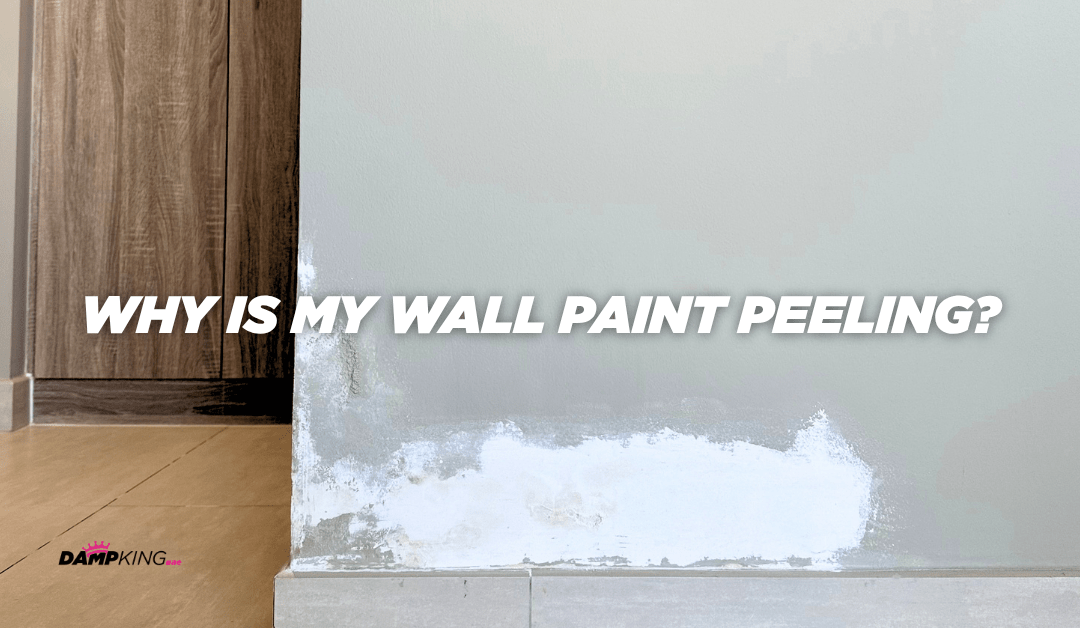
If your wall paint is peeling, the problem usually comes down to one thing: the paint has lost its grip on the surface underneath. In most homes, that happens because moisture gets trapped behind the paint film, the wall was not prepared properly before painting, or a new coat was applied over an incompatible old surface.
A lot of people first notice peeling paint as a cosmetic issue. When the wall starts looking untidy, small flakes appear near a corner, or a patch begins lifting after a fresh coat. However, peeling paint is often a warning sign that the wall is under stress. In Dubai, that stress often comes from humidity, condensation, bathroom moisture, air-conditioning-related dampness, leaks or weak surface preparation rather than from paint alone.
That is why repainting the same patch again and again rarely gives a lasting result. If the cause remains in the wall, the finish usually fails again.
Why peeling paint is common in Dubai homes
Dubai properties deal with a combination of high temperatures, heavy air-conditioning use and humidity from the Gulf. Official climate information from Dubai shows that the city has extremely hot summers, winter rainfall and average humidity of 59%, with humidity rising higher during January and February. Those conditions make walls more vulnerable to condensation and trapped moisture than many people expect.
In practical terms, a room can feel cool and still have a wall that is holding moisture. This is especially common around bathrooms, external walls, ceilings, wardrobes pushed against walls, lower wall sections and areas near air-conditioning units. Over time, that moisture weakens the bond between the paint and the wall, and the top layer starts lifting, bubbling, cracking or peeling.
The most common cause is moisture behind the paint
The biggest reason wall paint peels is trapped moisture. Water does not need to pour down the wall to cause damage. A slow leak, hidden dampness, condensation, or humidity build-up can be enough to break paint adhesion.
When moisture sits behind the paint film and tries to escape, it pushes against the coating. The paint loses contact with the wall and begins to lift. This is why peeling often appears together with paint bubbles, soft plaster, mould marks, staining, or a musty smell.
Search results and homeowner discussions repeatedly point to this pattern. People often describe the same experience: they scrape the wall, paint it again, and then the peeling returns because the real issue was dampness, not the paint itself.
Can humidity alone make wall paint peel?
Yes, it can, especially when humidity combines with cooler indoor surfaces. In Dubai, this is a real issue because air-conditioning runs for long periods and creates colder wall areas in an otherwise humid environment.
That contrast between warm moist air and cool surfaces can create condensation. The wall may not look wet at first, but repeated exposure can gradually weaken the surface and lift the paint. This is one reason peeling paint often appears in bedrooms with limited ventilation, behind wardrobes, around air-conditioning lines or on walls near bathrooms.
Many property owners assume peeling only happens when there is a direct water leak. In reality, humidity and condensation can damage walls slowly and keep the problem hidden until the paint starts failing.
Poor surface preparation is another major reason
Not every peeling wall is caused by damp. Sometimes the wall is dry, but the paint still fails because the base was not prepared properly before painting.
Painting over dust, grease, soap residue, old chalky paint, or leftover sanding powder creates a weak bond from the start. The topcoat may look fine for a short time, but it does not properly grip the wall underneath. Sooner or later, it starts coming away.
Peeling often starts when the wall has not been prepared properly before painting. If the surface was not sanded, cleaned, or primed correctly, the paint may not bond well. Once that weak layer is exposed to humidity, friction, or everyday wear, peeling can begin.
What happens when primer is skipped?
Primer helps the new paint bond properly, especially on bare plaster, repaired areas, drywall, or glossy old surfaces. When primer is skipped, the topcoat can absorb unevenly or sit too loosely on the wall.
This problem is common after patch repairs. A patch may be filled, sanded, and painted, but if the repair area is not sealed first, it often behaves differently from the rest of the wall. The finish may dry unevenly, look patchy, or begin peeling around the edges.
Skipping primer is also risky when the existing surface is glossy, powdery, or previously damaged by moisture. In those cases, the topcoat needs help gripping the wall. Without that base, the paint can fail long before the homeowner expects.
Can old oil-based paint make new paint peel?
Yes. If a water-based paint is applied over an old oil-based layer without the right bonding primer, the new coat may not grip properly. Instead, it can sit on top and eventually peel away.
At Grout King, this is seen quite often when older walls are repainted without checking the condition of the existing surface first. In many cases, the wall already has multiple old paint layers, and the new coat starts failing because the surface underneath was not properly tested, prepared, sanded, or primed. That is why proper surface preparation is so important before any repainting work begins.
For older villas and repeatedly repainted apartments in Dubai, this is a very real possibility.
Why does wall paint peel in bathrooms?
Bathrooms are one of the most common places for paint to peel because they combine steam, condensation, and limited airflow. If the fan is weak, the room stays damp for longer after each shower. That repeated moisture slowly affects the paint bond.
Peeling bathroom paint can point to a bigger moisture issue. In some cases, the problem is caused by daily steam and poor ventilation, but it can also happen when water gets through grout lines in tiled floors or walls. This is more common when the grout has been applied poorly or when cementitious grout has been used, as it can absorb water and allow moisture to travel into nearby walls. In other cases, the issue may also be linked to a plumbing fault or failed waterproofing behind the tiled area. Once moisture builds up behind the paint, it can lead to peeling, bubbling, and damage to the plaster. People clean the wall, repaint it, and then notice the peeling return above the shower or near the ceiling. The deeper issue is often ventilation or moisture, not the final coat of paint.
Why does paint peel near the bottom of the wall?
When peeling starts near skirting level or along the lower section of the wall, it often suggests moisture from below or from the opposite side of the wall. This can happen when there is a hidden leak, external water entry, or rising damp affecting the base of the wall.
Peeling that appears along the lower part of the wall is important because it often points to an active moisture problem rather than a simple paint defect. If moisture keeps entering from below, scraping and repainting only covers the evidence for a while. The real issue stays active behind the finish.
For a Dubai property, this is often the point where damp-proofing becomes relevant. Damp King’s service page already connects repeated paint damage, rising damp, and tailored damp-proofing treatment for local homes and buildings.
Why does newly painted wall paint start peeling?
A newly painted wall usually peels for one of four reasons. The wall was still damp, the surface was dirty, the wrong primer was used, or the new paint was applied over an incompatible old coating.
This can feel frustrating because the wall may look fine at first. Then tape pulls it off, a small corner lifts, or the finish starts peeling in sheets. That is usually a sign that the coating never bonded well in the first place.
Paint peeling after tape removal, after repainting a bathroom, or after painting over old surfaces without enough prep. The lesson is always the same: the repair did not fail because the wall needed more paint. It failed because the wall needed better preparation or moisture control first.
Is peeling paint always a sign of damp?
Not always, but it should never be ignored. Sometimes peeling comes from poor preparation alone. Other times it is the first visible sign of a moisture issue hidden inside the wall.
The clue is usually in the surrounding condition. If the paint is peeling with bubbling, staining, soft plaster, mould spots, powdery deposits or a musty smell, moisture becomes much more likely. If the wall is dry and the peeling is more localised, poor prep or incompatible paint layers may be the bigger cause.
The safest approach is not to guess. It is to inspect the wall, consider the location, and check whether the issue keeps returning in the same place.
How do you fix peeling wall paint properly?
The right repair starts by finding out whether the wall is dry or damp. If there is a leak, condensation issue, waterproofing problem, or rising damp, that must be solved first. Otherwise, the paint repair will remain temporary.
Once the wall is dry and stable, all loose paint should be scraped away. The edges should then be sanded smooth so the transition between old and bare areas is level. After that, the surface should be cleaned thoroughly to remove dust, dirt, grease and residue. If the wall has damage underneath, that area should be repaired before priming.
Only once the surface is sound should a suitable primer be applied. The final topcoat then goes on over a properly prepared base. This is the part many people rush, and it is usually where repeat failure starts.
When peeling paint means you need professional help
If the same patch keeps peeling, the wall feels damp, mould keeps returning, or the damage spreads after repainting, the problem is probably deeper than decoration. In those cases, it makes more sense to investigate the wall properly rather than keep repairing the surface.
This is especially true in Dubai homes where humidity, condensation, wet areas, external wall cracks and air-conditioning moisture can overlap. One wall may look like it only needs repainting, but the actual cause may involve waterproofing failure or damp movement inside the structure.
Damp King deals with these underlying problems rather than only the visible finish. Our service is built around inspecting the affected area, identifying the likely moisture source, and recommending a damp-proofing solution suited to the property.
How Damp King helps with peeling paint problems in Dubai
Damp King works with the kinds of wall problems that property owners often misread as simple paint failure. Where peeling paint is linked to rising damp, trapped moisture, recurring wall dampness or waterproofing defects, the right fix starts with diagnosis.
That is particularly important in Dubai’s villas, apartments and commercial spaces, where local climate conditions and cooling patterns can keep moisture problems hidden for longer. Damp King focuses on practical inspection, clear explanation and treatment that matches the wall condition rather than applying one generic solution to every patch of peeling paint.
Final thoughts
If you are asking, “Why is my wall paint peeling?”, the most likely answer is that the paint has lost adhesion because of trapped moisture, poor preparation, lack of primer or incompatible paint layers. In Dubai, humidity, condensation, air-conditioning use and occasional water ingress make that problem even more common.
A peeling wall is not just asking for another coat of paint. It is asking for the real cause to be found. When that cause is dampness or moisture-related wall damage, Damp King can help you address the issue properly and stop the same problem from coming back.