
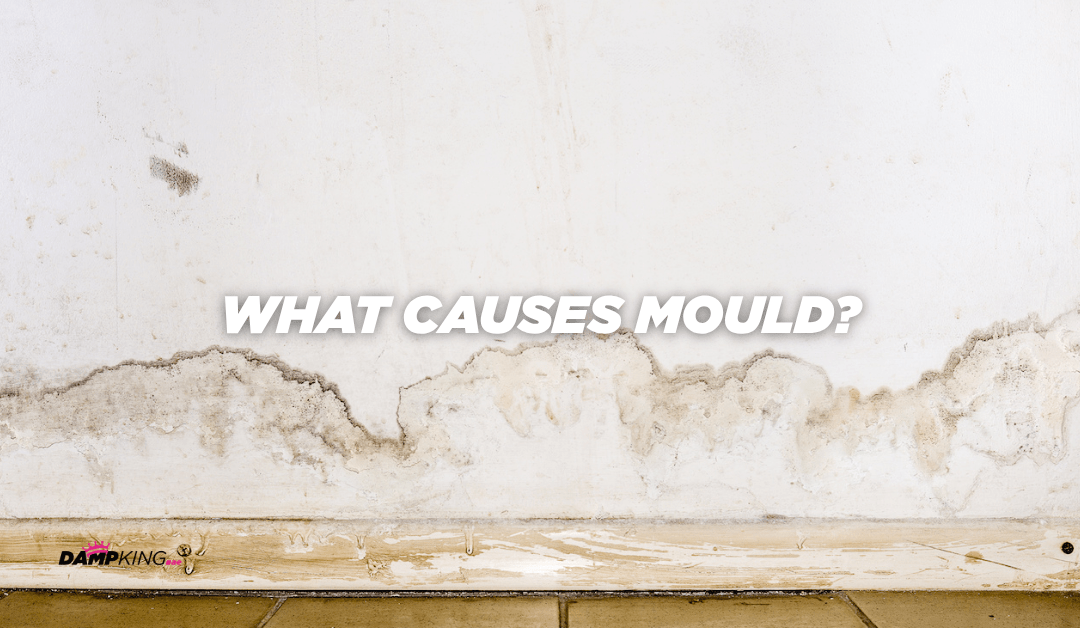
Mould starts growing when tiny airborne spores land on a surface that stays damp for long enough. On their own, spores are everywhere and usually go unnoticed. The real problem begins when moisture, warmth, and a material the spores can feed on come together in the same place. That is why mould is not simply a dirt problem. It is a moisture problem first.
In most homes, mould appears because excess moisture stays trapped indoors. That moisture may come from a hidden leak, heavy condensation, high indoor humidity, weak ventilation or past water damage that never dried properly. Once a wall, ceiling, wardrobe back, skirting area or window edge stays damp, mould can start to grow surprisingly quickly. Guidance on indoor moisture repeatedly makes the same point: mould does not grow without water or moisture.
For properties in Dubai, this issue deserves even more attention. The local climate combines very high summer temperatures with humidity from the Gulf, and official climate information shows an average humidity of 59%, rising to higher levels during January and February, alongside some winter rainfall. In practical terms, that means walls and surfaces can hold more moisture than people expect, especially in cooled indoor spaces.
Mould needs moisture more than anything else
If you want the short answer, mould needs moisture to grow. A room can be warm, dark and full of dust, but mould will not thrive unless water or dampness is present. This is why so many mould problems trace back to the same basic causes: leaks, condensation, damp materials, high humidity and poor drying after water exposure.
This also explains why people often clean mould off a wall and then see it return. They removed the mark, but they did not remove the source of moisture. The wall stayed damp, so the mould came back.
Water leaks are one of the biggest causes
A slow leak from plumbing, a roof edge, a window joint or a weak point in the wall can feed mould for weeks before the damage becomes obvious. Many people only notice the problem when paint starts bubbling, the wall smells musty, or a black patch appears near a skirting board or ceiling corner.
Indoor moisture guidance identifies plumbing leaks and water entering from outside through cracks, roofs, walls, windows or entry points as major causes of mould-related moisture problems.
This matters in Dubai because a property can look dry on the surface while a hidden leak keeps feeding the wall from behind. By the time the mould becomes visible, the dampness has often been there for some time.
Condensation causes mould more often than many people realise
Not every mould problem comes from a direct leak. Condensation is another major cause, especially on windows, external walls, around air-conditioning areas and in rooms with poor airflow.
Condensation forms when warm moist air hits a cooler surface. The moisture in the air turns into water droplets, and those droplets settle on windows, walls, pipes or corners. If that surface keeps getting damp and does not dry properly, mould can begin to grow. Official guidance specifically points to condensation on windows, walls and pipes as something that should be addressed quickly.
This is where Dubai homes can get caught out. People naturally think of Dubai as dry because of the heat, but cooled interiors change the picture. When humid air meets cold indoor surfaces, the result can be trapped moisture, especially in bedrooms, around wardrobes, near vents and on external walls.
High humidity indoors creates the perfect setting
Mould does not need a visible puddle to start growing. High humidity alone can create enough moisture for trouble, particularly when that humidity sits in a closed room day after day.
Indoor guidance recommends keeping relative humidity below 60%, ideally between 30% and 50%, because higher humidity levels support mould growth and keep surfaces damp for longer.
Everyday living adds moisture to the air. Cooking, showering, washing clothes and even normal breathing all increase indoor moisture. Guidance on indoor mould also lists daily household activities such as bathing, cooking and washing clothes as common causes of indoor moisture, especially when moist air is not properly ventilated.
In real-life homeowner discussions, this often comes up in a frustrated way. People say they are not doing anything unusual, yet mould keeps forming around windows or corners. The answer is often simple: ordinary daily moisture builds up faster than the room can release it.
Poor ventilation makes everything worse
Ventilation does not create mould, but poor ventilation gives moisture nowhere to go. Steam from showers stays in the bathroom. Cooking moisture stays in the kitchen. Humid air remains trapped in bedrooms and wardrobes. Over time, those spaces become ideal for mould.
Indoor moisture guidance repeatedly highlights inadequate ventilation as a major contributing factor. It also points to common practical failures such as extractor fans not working properly, not venting outdoors, or not being used regularly enough.
This is one reason mould often appears in corners, behind furniture and around window frames. Air does not move well in those spots, so moisture lingers longer. People often mention mould around windows, cold corners and top-floor perimeter walls, with poor airflow and high relative humidity repeatedly blamed as the real issue behind it.
Bathrooms and kitchens are common mould hotspots
Bathrooms and kitchens create more moisture than most rooms in the house, so they naturally become high-risk areas. A weak extractor fan, poorly done grout lines, cracked sealant, constant steam or poor airflow can quickly turn a small patch of condensation into a repeating mould problem.
Guidance on indoor moisture specifically identifies bathrooms and kitchens as key areas where ventilation, working extractors and regular drying matter. It also points out that materials such as drywall, wood, paper and textiles can become a problem when staying damp.
That is why mould near a bathroom ceiling or around a shower wall should not be dismissed as normal. It usually means the moisture is staying too long in the room.
Damp materials feed mould growth
Mould needs something to live on as well as moisture. It commonly feeds on building and household materials such as plasterboard, wallpaper, painted drywall, wood, paper, textiles and carpet when they become damp.
This is why mould often appears on walls, behind wallpaper, on wardrobe backs, around skirting boards and on ceiling edges. Once those materials stay damp, the spores have both moisture and food.
So when people ask what causes mould, the most accurate answer is not just “humidity” or “a leak”. It is usually a combination of moisture plus a surface that stays damp long enough to support growth.
Lack of sunlight and blocked airflow can also contribute
Mould tends to thrive in darker, colder and more stagnant parts of the home. While darkness alone does not create mould, areas with little sunlight often dry more slowly. Add blocked airflow behind wardrobes, beds or storage boxes, and the surface can stay damp for much longer than the rest of the room.
Guidance on preventing indoor mould warns against pushing furniture tightly against outside walls and against allowing clutter to build up in storage spaces near external walls, because both habits reduce airflow and trap moisture.
This is one of the more overlooked causes in Dubai apartments and villas. The visible room may look fine, but the hidden space behind a wardrobe may be holding moisture every day.
Flooding and past water damage can trigger mould very quickly
When a room suffers serious water damage, mould risk rises fast. Guidance says that if wet areas are dried within 24 to 48 hours after a leak or spill, mould often does not get the chance to grow. If that drying does not happen, the risk increases sharply.
This applies not only to major flooding, but also to smaller events that people underestimate. A repeated overflow, air-conditioning leak, soaked wall section or damp flooring that is left untreated can quietly create the same result.
Why mould keeps coming back in the same spot
When mould returns to the same wall, corner or window frame, it usually means the original moisture route is still active. The room may have condensation every morning. The extractor fan may be weak. A leak may still be running behind the plaster. The wall may still be damp internally. Or furniture may still be trapping moisture against a cold surface.
This is why wiping mould away is not the same as solving the problem. The visible patch may disappear, but the conditions that caused it remain unchanged.
What this means for homes in Dubai
Dubai homes have their own mould pattern because of the mix of humidity, sealed interiors and constant cooling. The outside climate is hot, but indoor surfaces can be cool for long periods. That contrast can create condensation in surprising places, especially near air-conditioning lines, external walls, wardrobes and closed rooms with weak airflow. Official climate data supports that wider pattern of high heat, humidity and some winter rain.
This is why mould in Dubai often shows up alongside peeling paint or bubbling paint, damaged plaster, musty wardrobes or wall staining. The mould is not the first problem. It is the result of the moisture problem that came before it.
How Damp King fits into this problem
When mould is linked to wall dampness, repeated condensation damage, moisture ingress or rising damp, surface cleaning alone is rarely enough. The long-term fix depends on identifying where the moisture is coming from and treating that cause properly.
That is where Damp King becomes relevant. The service focuses on damp-proofing, rising damp treatment, and moisture-related wall problems in Dubai and the UAE. For walls that keep showing mould because of damp conditions, the right answer is usually proper diagnosis and treatment rather than repeated cleaning and repainting.
Mould is caused by airborne spores settling on a surface that stays damp. In homes, the real drivers are usually excess moisture, condensation, high humidity, poor ventilation, leaks and wet materials that never dried properly.
In Dubai, the combination of humidity, cooling and enclosed indoor living can make those conditions even easier to create. That is why Damp King looks beyond the visible mould and focuses on identifying the moisture source behind it. So if mould keeps coming back on your walls, the question is not only how to clean it. The real question is what moisture source is feeding it.