
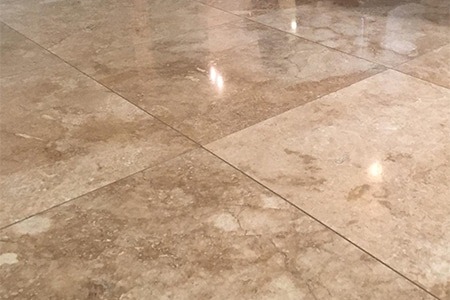
Grout stains on tiles can be frustrating, especially after investing time and money into beautiful tiling work. Whether you’re dealing with fresh grout haze, stubborn dried residue, or deeply embedded stains, this comprehensive guide will walk you through proven methods to restore your tiles to their original pristine condition. Furthermore, we’ll explore professional solutions when DIY approaches aren’t enough.
About Grout King – Your Trusted Grouting Partner in Dubai
Before diving into stain removal techniques, it’s worth knowing that professional help is always available when you need it. Grout King is Dubai’s premier grouting service provider, specialising in professional grouting, grout cleaning, grout restoration, and tile maintenance. With years of experience serving residential and commercial clients across the UAE, Grout King combines expert craftsmanship with high-quality materials to deliver lasting results. Whether you’re facing stubborn grout stains or require complete re-grouting services, our skilled technicians understand the unique challenges of Dubai’s climate and can provide tailored solutions for your specific needs.
Understanding Grout Stains vs. Grout Haze
Before attempting removal, it’s essential to identify what you’re dealing with. Grout haze appears as a thin, milky or cloudy film across the tile surface, typically resulting from grout residue left during installation. Meanwhile, grout stains are actual discolourations where grout has penetrated or sat on the tile surface, often requiring stronger cleaning methods. Additionally, some tiles—particularly matt or unglazed porcelain—are more porous and can absorb grout pigments, making stains more challenging to remove.
Method 1: Baking Soda and Hydrogen Peroxide Paste
This gentle yet effective method works brilliantly on most tile types and is particularly suitable for lighter stains.
What you’ll need:
- 1/2 cup baking soda.
- 1/4 cup hydrogen peroxide.
- 1 tablespoon liquid dish soap.
- Stiff brush or old toothbrush.
- Shallow dish for mixing.
Step-by-step process:
- Combine the baking soda, hydrogen peroxide, and dish soap in a shallow dish, mixing thoroughly until you achieve a thick paste consistency.
- Apply the paste generously to the stained grout lines, ensuring complete coverage of the affected areas.
- Allow the solution to sit for 5 to 10 minutes, giving the hydrogen peroxide time to break down the stains.
- Scrub the grout vigorously with a stiff brush or old toothbrush, using circular motions to lift the stain.
- Rinse the area thoroughly with cool water and inspect your work. Repeat the process if necessary for stubborn stains.
This method is excellent because it uses common household products and is safe for most tile surfaces.
Method 2: Vinegar and Water Solution (For Sealed Grout Only)
Vinegar’s natural acidity makes it effective for dissolving grout haze and lighter stains. However, this method requires caution.
What you’ll need:
- White vinegar.
- Warm water.
- Spray bottle.
- Stiff brush.
- Damp sponge or cloth.
- Baking soda (for neutralisation).
Step-by-step process:
- Mix equal parts white vinegar and warm water in a spray bottle, shaking gently to combine.
- Spray the solution onto the grout lines and let it sit for approximately 5 minutes to dissolve the residue.
- Scrub the grout with a stiff brush, applying moderate pressure to lift the stains.
- Wipe the area clean with a damp sponge or cloth, removing all loosened debris.
- Rinse the tiles thoroughly with plain water to remove any remaining vinegar residue.
Critical warning: Never use vinegar on unsealed grout or natural stone tiles (marble, travertine, limestone), as the acid will etch and permanently damage the surface. Moreover, after using vinegar or any acidic cleaner, sprinkle baking soda over the cleaned area, dampen it slightly, wait 5 minutes, then rinse. This neutralises any leftover acid that may have soaked into the grout, preventing long-term damage.
Important application tip: Never pour acids directly onto the floor. Instead, dampen a sponge with the solution (wearing gloves, of course) and wipe or scrub only the spots you want cleaned, avoiding grout lines where possible.
Method 3: Commercial Grout Cleaner
For tougher stains or when time is limited, commercial products offer powerful, targeted cleaning.
What you’ll need:
- Commercial grout cleaner (choose one specifically designed for tile and grout stains).
- Stiff brush.
- Protective gloves and eye protection.
- Clean water for rinsing.
Step-by-step process:
- Select a cleaner specifically formulated for your tile type (ceramic, porcelain, natural stone).
- Apply the product to the grout following the manufacturer’s instructions carefully, paying attention to the recommended dwell time (typically 5-10 minutes).
- Scrub the grout lines thoroughly with a brush, working the cleaner into the stain.
- Rinse the area completely with clean water, ensuring no chemical residue remains.
Pro tip: Pre-wet the grout joints with water before applying acidic products. This minimises the acid’s potential to damage the grout joint colour. Always work in small sections and flash-clean tiles within 1-2 minutes (or test longer, as some products suggest 10-12 minutes). Use a white pad or stiff brush, and rinse thoroughly after application.
Removing Cured and Stubborn Grout Stains
Sometimes grout stains aren’t discovered until weeks after installation, when they’ve fully cured and hardened. Consequently, these require more intensive approaches.
For Standard Cured Grout on Tiles
If you missed grout spots during the initial cleaning and they’ve hardened, don’t panic. Here’s what works:
Approach 1: Grout Haze Remover
Visit a specialist tile shop and request a grout haze remover specifically formulated for cured residue. These products are designed precisely for this problem. Additionally, ask for heavy-duty scouring pads, which make the scrubbing process significantly more effective.
Approach 2: Diluted Acid Cleaners
For particularly stubborn stains, diluted phosphoric acid or sulphamic acid can be effective. However, exercise extreme caution:
- Always test on an inconspicuous area first.
- Wear protective gloves and eye protection.
- Ensure adequate ventilation.
- Apply with a damp sponge; never pour directly onto floors.
- Stay away from grout lines to avoid discolouration.
- Neutralise immediately with a baking soda solution after cleaning.
For Black or Dark Grout Stains
Black grout is notoriously difficult to clean because it’s heavily pigmented. Therefore, it can stain porous tiles or glazed tiles with surface crazing (micro-cracking). Many homeowners have found success with these methods:
Vinegar spray method (for ceramic/porcelain only): Apply straight vinegar from a spray bottle to affected areas. This method requires patience and multiple applications, but it’s effective and won’t etch properly sealed tiles. Allow the vinegar to sit for several minutes, scrub gently, and rinse thoroughly.
For matt porcelain tiles: These tiles present unique challenges because their porous surface readily absorbs pigments. If you notice white patches or grey haze that disappear when wet but reappear when dry, the grout has penetrated the tile surface. In such cases:
- Use a specialised grout haze remover designed for porcelain.
- Apply the product and use a wet-and-dry vacuum to remove dirty residue rather than sponging, which simply spreads it around.
- Work in small sections and repeat applications as needed.
- Consider professional help if the staining persists.
For Epoxy Grout Stains
Epoxy-based grout stains are particularly challenging. If you’re dealing with epoxy residue, prepare for significant effort. Scouring powder combined with a green scrubbing pad works best to remove splotches without affecting the tile surface, although it requires considerable elbow grease. Alternatively, dedicated epoxy haze removers are available from tile speciality shops.
Tips for Success
Always test first: Regardless of which cleaning method you choose, always test it on a small, inconspicuous area first to confirm it won’t damage the tile or grout. This simple precaution can save you from costly mistakes.
Wear proper protection: When using commercial cleaners, acids, or even vinegar, wear protective gloves and eye protection. Chemical burns and eye injuries are entirely preventable with basic safety equipment.
Scrub thoroughly: The scrubbing action is what actually lifts the stains—cleaning solutions merely loosen them. Therefore, take your time and scrub each grout line methodically. Using an old electric toothbrush or drill attachment with a brush head can make this process less tiring for large areas.
Work in small sections: Rather than tackling an entire room at once, work in manageable sections. This ensures cleaning solutions don’t dry before you can scrub and rinse, which would only create more residue.
Identifying Grout Type and Choosing Appropriate Methods
Different grout types require different approaches:
Cementitious grout (most common): Responds well to mild acids like vinegar, phosphoric acid, or commercial grout haze removers. If latex-modified, it may leave a latex haze that acid won’t remove—you’ll need a latex haze remover from a tile store.
Epoxy grout: Extremely resistant to staining but also very difficult to remove if it gets on tiles. Requires specific epoxy haze removers or mechanical removal with non-abrasive pads.
Unsealed vs. sealed grout: Sealed grout tolerates acidic cleaners better, whilst unsealed grout is more vulnerable to acid damage and colour changes.
Advanced Techniques for Extremely Stubborn Stains
When standard methods fail, these advanced techniques may help:
Poultice Method
For deeply embedded pigment stains, create a thick paste (poultice) using baking soda or a commercial cleaner. Apply it thickly over the stain, cover with cling film, and leave for 24 hours. The slow drying process draws the stain out of the tile. Subsequently, scrub and rinse thoroughly.
Razor Blade Technique (Glazed Tiles Only)
For hardened grout lumps on glazed ceramic or porcelain tiles, a razor blade held at a very shallow angle can carefully lift residue. Work slowly and keep the blade nearly flat to the surface to avoid scratching. Never use this technique on matt, textured, or natural stone tiles.
Steam Cleaning
For large areas with persistent staining, steam cleaners can be highly effective. The high-temperature steam loosens grout residue without chemicals, making it an excellent option for sensitive tile types or when chemical sensitivity is a concern.
Professional Grout Cleaning Machines
Professional-grade grout extraction machines combine hot water, cleaning solutions, and powerful suction to deep-clean grout lines. These are particularly effective when grout itself has become permanently stained rather than just having surface residue.
When to Call Professional Help
Whilst many grout stains can be removed with DIY methods, certain situations call for professional expertise:
- Natural stone tiles: Marble, travertine, and limestone require specialist knowledge and pH-neutral products to avoid etching.
- Large commercial spaces: Professional equipment makes large-area cleaning vastly more efficient.
- Valuable or antique tiles: When tiles are irreplaceable, professional care minimises risk.
- Persistent staining after multiple attempts: If DIY methods aren’t working, professionals have access to industrial-strength products and techniques.
- Time constraints: Professional services complete in hours what might take days of DIY effort.
Grout King’s experienced technicians handle even the most challenging grout stain situations daily. With professional-grade equipment and extensive knowledge of various tile and grout types, we can assess your specific situation and apply the most effective solution without risking damage to your tiles.
Prevention: Avoiding Grout Stains in Future Projects.
Prevention is always easier than a cure. If you’re planning tiling work, these practices will minimise grout staining:
- Remove excess grout promptly: During installation, remove excess grout within 20 minutes of application using a damp (not wet) sponge.
- Work in small sections: Grout only as much area as you can clean within 15-20 minutes.
- Use the right tools: A quality grout float and clean sponges make a significant difference.
- Final buff before curing: Once grout has firmed slightly, buff tiles with a dry microfiber cloth to remove any remaining haze.
- Seal porous tiles beforehand: Apply a penetrating sealer to porous tiles before grouting to prevent pigment absorption.
- Choose grout colour carefully: Lighter grout colours are more forgiving and easier to clean from tiles.
Conclusion
Removing grout stains from tiles is entirely achievable with the right approach, patience, and appropriate products. Start with gentle methods like baking soda paste or vinegar solutions, progressing to commercial cleaners or professional help when necessary. Always identify your tile and grout type first, test products in inconspicuous areas, and take proper safety precautions.
Remember that stubborn grout stains, particularly from black or dark grout on porous tiles, may require multiple treatment cycles or professional intervention. There’s no shame in seeking expert help—sometimes professional equipment and expertise are simply the most efficient solution.
For Dubai residents facing challenging grout staining issues or requiring expert grouting services, Grout King stands ready to help. Our team understands the specific challenges of maintaining beautiful tile installations in the UAE climate and can provide both cleaning solutions and preventive advice for long-lasting results. Contact Grout King today for professional grouting services that keep your tiles looking pristine for years to come.