
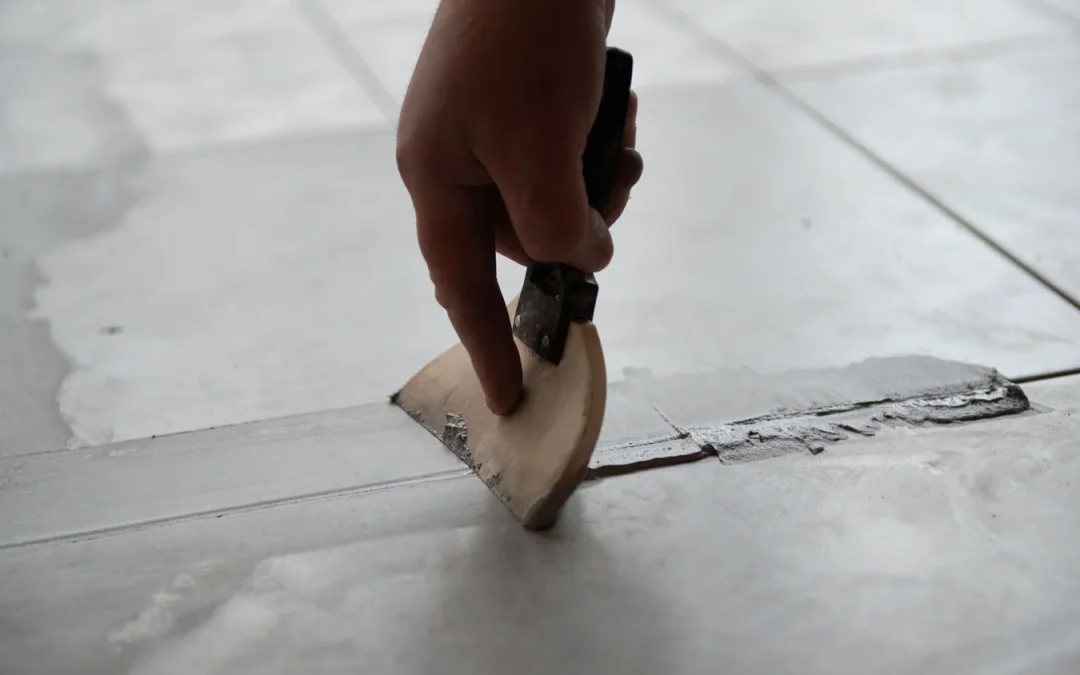
If you’re planning a tiling project in Dubai, understanding the different types of grout available is essential for achieving lasting, professional results. Amongst the various grouting materials on the market, cementitious grout remains the most commonly used option for residential and commercial applications. However, what exactly is cementitious grout, and is it the right choice for your project? This comprehensive guide explores everything you need to know about this traditional grouting material, from its composition and types to its applications and limitations.
About Grout King
At Grout King, we are Dubai’s premier specialists in professional grouting services. Our experienced team provides comprehensive solutions, including grout installation, cleaning, restoration, and maintenance for both residential and commercial properties throughout the UAE. With extensive knowledge of Dubai’s unique climate challenges and moisture conditions, we help clients select the most appropriate grouting materials for their specific needs. Whether you’re working with cementitious grout, epoxy grout, or require expert cleaning and restoration services, Grout King delivers exceptional craftsmanship and technical expertise to ensure beautiful, durable results that stand the test of time.
What Is Cementitious Grout?
Cementitious grout is a fluid mixture primarily composed of cement, water, and sometimes sand, designed to fill gaps, joints, and voids in various construction applications. This versatile material has been used in building projects for decades and remains popular due to its affordability, ease of use, and wide availability.
The basic composition includes Portland cement as the binding agent, water to create the proper consistency, and sand particles (in some varieties) to provide additional strength and prevent shrinkage. Moreover, modern cementitious grouts often contain polymer additives that enhance performance characteristics such as flexibility, adhesion, and water resistance.
When properly mixed, cementitious grout achieves a workable consistency that flows into joints and spaces, then hardens through a chemical curing process to create a solid, structural bond. The material’s versatility makes it suitable for numerous applications beyond just tile installation, including crack repair, waterproofing enhancement, and soil stabilisation.
What Is Grout and What Is Grouting in Construction?
Before exploring cementitious grout specifically, it’s helpful to understand grout’s general role in construction. Grout is essentially a fluid or semi-fluid material used to fill spaces, seal joints, reinforce structures, and provide support in various building applications.
The grouting process involves mixing the grout material to the proper consistency, then placing it into designated spaces where it flows, settles, and eventually hardens. Furthermore, this technique serves multiple purposes: filling voids between tiles, strengthening structural connections, preventing water infiltration, and creating smooth, finished surfaces.
In tiling applications specifically, grouting serves both functional and aesthetic purposes. It stabilises tiles, prevents movement, seals joints against moisture and debris, and contributes significantly to the overall appearance of the finished installation.
What Cementitious Grout Is Used For
The versatility of cementitious grout makes it suitable for numerous construction applications:
Filling Gaps Between Tiles
This is perhaps the most common use of cementitious grout. It fills the spaces between ceramic, porcelain, or stone tiles on floors, walls, and countertops, providing structural support whilst creating clean, professional-looking lines.
Repairing Cracks in Concrete
Cementitious grout can be injected or towelled into cracks in concrete structures, effectively repairing damage and preventing further deterioration. The material bonds with existing concrete to restore structural integrity.
Waterproofing Enhancement
Although not inherently waterproof, cementitious grout contributes to the water resistance of tiled surfaces when properly sealed. It helps prevent water from penetrating through grout joints into underlying substrates.
Soil Stabilisation
In civil engineering applications, a mixture of cement, sand, and water can be injected into the ground to stabilise soil, strengthen foundations, and prevent ground settlement or movement.
Equipment and Machinery Installation
Non-shrink cementitious grouts are commonly used to secure heavy equipment and machinery to foundation pads, ensuring stable, precise alignment without gaps or movement.
Types of Cementitious Grout
Understanding the different varieties of cementitious grout helps you select the appropriate product for your specific application.
Main Types of Cementitious Grouts:
• Sanded Cementitious Grout: This variety contains fine sand particles mixed with cement and water. The sand content provides additional strength and reduces shrinkage, making it suitable for wider grout joints. Consequently, sanded grout is the preferred choice when filling joints that measure 3 mm (approximately 1/8 inch) or larger.
The sand particles create a stronger bond and help prevent the grout from settling or cracking in wider joints. However, the abrasive nature of sand means this type should not be used on delicate surfaces like polished marble, glass tiles, or metal tiles, as it may scratch the surface during application.
• Unsanded Cementitious Grout: Unsanded grout features a finer grit composition without sand particles. This smooth texture makes it ideal for narrower grout joints, typically ranging from 1.5 mm to 3 mm (approximately 1/16 inch to 1/8 inch).
The absence of sand allows the grout to fit into tight spaces more easily and creates a smoother finish. Additionally, unsanded grout is the appropriate choice for delicate tile surfaces where scratching is a concern, such as polished stone, glass mosaics, or metallic tiles.
• Polymer-Modified Cementitious Grout: Modern cementitious grouts often include polymer additives that enhance performance characteristics. These modifications improve flexibility, increase water resistance, enhance adhesion, and reduce the tendency to crack or shrink.
Polymer-modified grouts represent a significant advancement over traditional cement-only formulations, offering better performance whilst maintaining the ease of use and affordability that make cementitious grout popular.
• Non-Shrink Cementitious Grout: This specialised variety is formulated to maintain its volume during the curing process, preventing gaps or voids from developing. Non-shrink grouts are essential for structural applications like equipment grouting, anchor bolt installation, and foundation repairs where precise tolerances must be maintained.
These products typically contain metallic aggregates or expansion agents that compensate for the natural shrinkage that occurs as cement cures.
3 Types of Tile Grout
When specifically considering tile installations, grout options generally fall into three categories:
• Cementitious Grout: The traditional, cement-based option discussed in this article, available in sanded and unsanded varieties.
• Epoxy Grout: A premium alternative made from epoxy resins and hardeners, offering superior water resistance, stain resistance, and durability, though at a higher cost and with more challenging application requirements.
• Furan Grout: A specialised industrial-grade product made from furan resins, typically reserved for harsh chemical environments like laboratories and industrial facilities where extreme chemical resistance is essential.
For most residential and commercial tiling projects, the choice comes down to cementitious or epoxy grout, with the decision based on budget, application location, performance requirements, and maintenance preferences.
Cementitious vs. Epoxy Grout – What’s the Difference?
Understanding how cementitious grout compares to epoxy grout helps you make informed decisions for your tiling projects.
Composition and Structure
Cementitious grout is made from cement, sand (in sanded varieties), water, and sometimes polymer additives. This creates a porous material that allows microscopic moisture penetration.
Epoxy grout, conversely, consists of epoxy resins, hardeners, and colour pigments that chemically bond to create a completely non-porous, impermeable surface. This fundamental difference in composition drives most of the performance variations between these two grout types.
Water Resistance
Cementitious grout is inherently porous, meaning it can absorb water and moisture. Therefore, it requires sealing with a penetrating sealer to enhance water resistance and prevent staining. Even when sealed, cement grout is not truly waterproof—it simply becomes more water-resistant.
Epoxy grout, on the other hand, is completely waterproof from the moment it cures, requiring no sealing and providing superior protection against moisture penetration.
Durability and Longevity
Whilst properly installed and maintained, cementitious grout can last many years; it is susceptible to cracking, crumbling, and deterioration over time, particularly in high-moisture environments or areas with temperature fluctuations.
Epoxy grout offers significantly greater durability, resisting cracking, chipping, and degradation even under challenging conditions. It maintains its integrity and appearance far longer than cementitious alternatives.
Stain Resistance
The porous nature of cementitious grout makes it vulnerable to staining from spills, particularly liquids like wine, coffee, or cooking oils. Even sealed cement grout can eventually absorb stains, leading to discolouration.
Epoxy grout’s non-porous surface makes it highly resistant to stains, maintaining its original colour and appearance with minimal maintenance.
Flexibility
Traditional cementitious grout is rigid once cured, meaning it cannot accommodate significant tile movement without cracking. Polymer-modified versions offer improved flexibility but still cannot match epoxy’s performance.
Epoxy grout provides greater flexibility, allowing it to accommodate slight tile movement caused by building settling, temperature changes, or substrate expansion and contraction without cracking.
Application Ease
Cementitious grout is relatively easy to mix and apply, offers a longer working time, cleans up with water, and forgives minor application errors. This makes it popular amongst DIY enthusiasts and contractors who prioritise ease of installation.
Epoxy grout, conversely, is significantly more challenging to work with. It has a shorter pot life, requires precise mixing, demands quick and skilled application, and needs specialised cleaning techniques. Professional installation is typically recommended for epoxy grout projects.
Cost Considerations
Cementitious grout is considerably more affordable than epoxy alternatives, typically costing three to five times less for materials. The easier application also means lower labour costs if hiring professionals.
Epoxy grout represents a premium investment with higher material and installation costs. However, the reduced maintenance requirements and extended lifespan can make it more economical over the long term.
Cementitious Grouts vs. Epoxy Grouts – Comparison Table
| Feature | Cementitious Grout | Epoxy Grout |
| Composition | Cement, sand, water, polymers | Epoxy resins, hardeners, pigments |
| Water Resistance | Porous; requires sealing | Completely waterproof; no sealing needed |
| Stain Resistance | Susceptible to staining | Highly stain-resistant |
| Durability | Moderate; prone to cracking over time | Excellent; highly resistant to damage |
| Flexibility | Rigid (improved with polymers) | Flexible; accommodates movement |
| Application Difficulty | Easy to moderate | Difficult; requires skill |
| Working Time | Extended | Limited |
| Maintenance | Requires periodic sealing | Minimal maintenance |
| Cost | Economical | Premium pricing |
| Best Applications | Dry areas, low-traffic, budget projects | Wet areas, high-traffic, premium projects |
| Colour Stability | May fade or discolour over time | Maintains colour permanently |
Applications and Advantages of Cementitious Grout
Despite the superior performance of epoxy alternatives, cementitious grout remains the most widely used option for many good reasons.
Ideal Applications for Cementitious Grouts
- Residential Floor Tiles: In living rooms, bedrooms, hallways, and other dry, moderate-traffic areas where moisture exposure is minimal.
- Kitchen Backsplashes: Behind stoves and sinks, where some moisture exposure occurs but less demanding conditions exist compared to shower areas.
- Indoor Wall Tiles: Decorative wall installations in dry areas where structural demands are minimal.
- Low-Traffic Commercial Spaces: Office lobbies, retail displays, and other commercial areas without heavy traffic or harsh conditions.
- Budget-Conscious Projects: Any application where cost constraints are significant and the enhanced performance of epoxy grout is not essential.
- Large-Scale Projects: Extensive tiling installations where the cost difference between cementitious and epoxy grout becomes substantial.
Advantages of Cementitious Grout
Affordability: The most economical grouting option, making it accessible for budget-conscious homeowners and large-scale commercial projects.
Ease of Application: Straightforward mixing and application process that doesn’t require specialised skills or equipment, making it suitable for DIY projects.
Extended Working Time: Longer pot life allows for more relaxed application, particularly beneficial for larger areas or less experienced installers.
Wide Availability: Readily available at virtually any building supply retailer in numerous colours and formulations.
Easy Cleanup: Washes away with water during application, and cured grout can be removed with standard tools and techniques.
Breathability: The porous nature allows moisture vapour to escape, which can be beneficial in certain installations where substrate moisture is a concern.
Established Track Record: Decades of proven performance in appropriate applications, with well-understood installation and maintenance requirements.
Drawbacks of Cementitious Grout
Understanding the limitations of cementitious grout helps you make informed decisions and set appropriate expectations.
Porous Nature and Staining
The inherent porosity of cementitious grout means it absorbs liquids and moisture, making it susceptible to staining from spills. Even with proper sealing, complete stain protection cannot be achieved, particularly over time as sealers wear away.
Regular Maintenance Requirements
Cementitious grout requires periodic sealing—typically every one to two years, depending on traffic and exposure conditions. This ongoing maintenance represents both a time commitment and a recurring expense that many homeowners neglect, leading to deteriorated grout performance.
Vulnerability to Cracking
The rigid nature of cured cementitious grout makes it prone to cracking when subjected to tile movement, substrate settling, or temperature fluctuations. These cracks not only affect appearance but also create pathways for water infiltration.
Susceptibility to Mould and Mildew
In damp environments like bathrooms, the porous structure of cement grout provides an ideal environment for mould and mildew growth, particularly when sealer protection has degraded or was never applied.
Colour Inconsistency and Fading
Cementitious grout may exhibit slight colour variations between batches, and the colour can fade or change over time due to UV exposure, cleaning products, or moisture absorption.
Lower Durability in Harsh Environments
In high-moisture areas, swimming pools, commercial kitchens, or heavy-traffic locations, cementitious grout deteriorates more rapidly than premium alternatives, potentially requiring replacement or repair within a few years.
Chemical Sensitivity
Harsh cleaning chemicals, acidic substances, and pool treatments can degrade cementitious grout over time, causing deterioration and discolouration.
Limitations of Cementitious Grouts
Beyond the general drawbacks, specific limitations make cementitious grout unsuitable for certain applications:
- Not suitable for continuous water immersion: Swimming pools, fountains, and similar applications require more water-resistant materials
- Poor performance in heavy-traffic commercial areas: High-traffic locations accelerate wear and deterioration
- Limited effectiveness in wide joints exceeding 15mm: Very wide joints may experience excessive shrinkage
- Inadequate for chemical exposure environments: Industrial kitchens, laboratories, and chemical processing areas require chemical-resistant alternatives
- Not recommended for glass or metallic tiles when using sanded varieties: Risk of surface scratching during application
Why Use Cementitious Grout?
Given the limitations discussed, you might wonder why cementitious grout remains so popular. The answer lies in matching the material to appropriate applications where its advantages outweigh its drawbacks.
Cost-Effective Solution
For budget-conscious projects, particularly large-scale installations, the substantial cost savings of cementitious grout make it the practical choice when premium performance is not essential.
Proven Performance in Appropriate Applications
When used in dry, low-traffic areas and properly maintained, cementitious grout provides decades of satisfactory service without requiring premium materials.
Accessibility for DIY Projects
The forgiving nature and ease of application make cementitious grout accessible to homeowners undertaking DIY tiling projects, eliminating the need to hire specialists.
Adequate Performance with Proper Maintenance
When owners commit to regular sealing and appropriate cleaning, cementitious grout can perform adequately even in moderately demanding applications like kitchen backsplashes and bathroom floors (though not shower enclosures).
Breathable Properties
In situations where substrate moisture management is important, the breathable nature of cementitious grout can be advantageous, allowing moisture vapour to escape rather than becoming trapped beneath an impermeable barrier.
How to Choose the Best Grout for Tiles
Selecting the appropriate grout for your tiling project involves evaluating several factors:
Consider the Location
High-moisture areas (showers, pools, steam rooms) benefit from epoxy grout’s waterproof properties. Moderate-moisture areas (bathroom floors, kitchen backsplashes) can use properly sealed cementitious grout. Dry areas (living rooms, bedrooms) work well with standard cementitious grout.
Evaluate Traffic Levels
Heavy commercial traffic warrants the durability of epoxy grout, whilst residential moderate-traffic areas perform well with polymer-modified cementitious grout. Low-traffic spaces function adequately with standard cementitious grout.
Assess Budget Constraints
If budget is a primary concern and the application is not demanding, cementitious grout provides the most economical solution. When long-term value and minimal maintenance are priorities, epoxy grout may prove more cost-effective despite higher initial investment.
Determine Joint Width
Joints narrower than 3 mm require unsanded grout. Joints between 3 mm and 15 mm typically use sanded grout. Very wide joints may need specialised formulations or alternative approaches.
Consider Tile Type
Delicate surfaces like polished marble, glass, or metallic tiles require unsanded grout to prevent scratching. Standard ceramic or porcelain tiles work well with either sanded or unsanded varieties, depending on joint width.
Factor in Maintenance Willingness
If you’re committed to regular sealing and maintenance, cementitious grout can serve well in moderately demanding applications. If minimal maintenance is preferred, epoxy grout eliminates sealing requirements.
What Is the Difference Between Epoxy Grout and Cementitious Grout? Which One Is More Effective in Vibrating Structures?
This question addresses a specific technical concern relevant to certain commercial and industrial applications.
Cementitious Grout in Vibrating Structures
Traditional cementitious grout is rigid once cured and does not accommodate movement well. Consequently, in structures subject to vibration—such as industrial floors with heavy machinery, bridges, or buildings near railways—standard cement grout tends to crack and fail over time.
The rigid bond cannot flex with the vibration-induced movement, leading to grout line failure, tile loosening, and water infiltration through compromised joints.
Epoxy Grout in Vibrating Structures
Epoxy grout’s flexible nature makes it significantly better suited for applications involving vibration or movement. The material can accommodate slight tile shifting without cracking, maintaining the integrity of grout joints even under dynamic loading conditions.
Furthermore, the superior adhesion strength of epoxy grout creates a stronger bond that resists the loosening effects of continuous vibration. This makes epoxy the clear choice for industrial settings, commercial kitchens with heavy equipment, or any environment where vibration is a concern.
Checking Vibration Intensity
However, it’s important to note that whilst epoxy grout handles moderate vibration well, extremely intense vibration may still cause problems regardless of grout type. In such cases, the entire installation system—including substrate preparation, adhesive selection, and expansion joint design—must be engineered to accommodate the specific vibration characteristics.
How Do You Know When to Use Cementitious or Epoxy Grout?
This decision-making process involves asking several key questions about your project:
What are the moisture conditions?
Constant water exposure (shower walls, pool tiles): Use epoxy grout. Occasional moisture (bathroom floors, kitchen backsplashes): Cementitious grout with proper sealing can work, though epoxy provides better protection. Dry conditions (bedroom floors, living areas): Cementitious grout performs adequately.
What is your budget?
If cost is a primary constraint and conditions are not demanding, cementitious grout offers an economical solution. When budget allows, and longevity is valued, epoxy provides superior long-term value.
What are your maintenance expectations?
Willing to seal grout every 1-2 years? Cementitious grout is feasible. Prefer minimal maintenance? Epoxy grout eliminates sealing requirements.
What is the traffic level?
Heavy commercial traffic warrants epoxy’s durability. Moderate residential traffic can be handled by polymer-modified cementitious grout. Light traffic works fine with standard cementitious grout.
Is stain resistance important?
High stain risk (white grout in kitchens, light colours, dining areas): Epoxy grout provides superior protection. Lower stain risk: Sealed cementitious grout may suffice.
At a Baseline Level, What Makes a Grout Cementitious or Epoxy?
The fundamental difference lies in the primary binding agent:
Cementitious Grout: The binding agent is Portland cement, which cures through a hydration reaction with water. This creates a crystalline structure that, whilst strong, remains somewhat porous at a microscopic level.
Epoxy Grout: The binding agent is epoxy resin, which cures through a chemical reaction with a hardener. This creates a continuous, non-porous plastic-like matrix that is completely impermeable to water and most chemicals.
This fundamental compositional difference drives all the performance variations between these two grout types—water resistance, stain resistance, flexibility, durability, and maintenance requirements all stem from whether the grout is cement-based or epoxy-based.
How Should You Mix Cementitious Grout?
Proper mixing is essential for achieving optimal performance from cementitious grout.
Materials Needed
- Cementitious grout powder.
- Clean, cool water.
- Mixing bucket.
- Margin trowel or mixing paddle.
- Drill with mixing attachment (for larger quantities).
Mixing Procedures
Check Temperature Conditions: Ensure the work area temperature is between 15°C and 27°C. Extreme temperatures can affect curing and workability.
- Measure Accurately: Follow manufacturer specifications for water-to-powder ratios precisely. Too much water weakens the grout; too little makes it difficult to work with.
- Add Powder to Water: Pour the specified amount of clean water into your mixing bucket first, then gradually add the grout powder whilst mixing. This sequence prevents lumping.
- Mix Thoroughly: Blend for 3-5 minutes until achieving a smooth, lump-free consistency similar to peanut butter or thick batter. The mixture should be workable but not runny.
- Allow Slaking: Let the mixed grout rest for 5-10 minutes (check manufacturer instructions). This “slaking” period allows the cement particles to fully hydrate and the polymers to activate.
- Remix Before Application: After slaking, briefly remix the grout without adding more water. The consistency may have thickened slightly during the slaking period.
Never Add Extra Water Later: Once mixed and slaked, do not add additional water to restore workability. This significantly weakens the cured grout. Mix only what you can use within the working time.
What Are Some Temperature and Moisture Restrictions?
Environmental conditions significantly affect cementitious grout performance:
Temperature Restrictions
Ideal Application Range: 15°C to 27°C (60°F to 80°F). Within this range, grout cures properly, and workability is optimal.
Too Cold (below 10°C/50°F): Slow curing, weak final strength, potential for freeze damage before curing completes.
Too Hot (above 32°C/90°F): Rapid drying, shortened working time, potential for cracking due to too-rapid moisture loss. In Dubai’s climate, morning or evening installation may be preferable during the summer months.
Moisture Restrictions
Substrate Moisture: The substrate should be firm and dry, but can be slightly damp. Excessive substrate moisture can cause efflorescence or discolouration. Very dry, porous substrates may draw water out of grout too quickly, weakening it.
Curing Moisture: During curing, maintain moderate humidity. Excessive moisture exposure before full curing (typically 24-72 hours) can wash out cement particles and weaken grout. Complete dryness causes too-rapid moisture loss and weak, dusty grout.
Post-Installation: Wait at least 72 hours before exposing grouted surfaces to moisture. Showers and wet areas should remain dry for the full curing period.
What Are Some Specific Strengths of Cementitious Grout?
Despite the advantages of premium alternatives, cementitious grout offers specific strengths that keep it relevant:
Flowability: The fluid consistency of properly mixed cementitious grout allows it to flow into small cracks, voids, and joints more easily than thicker epoxy formulations.
Proven History: Decades of successful use provide well-documented performance expectations and installation techniques.
Versatility: Suitable for a wide range of applications beyond just tiling, including concrete repair, equipment grouting, and soil stabilisation.
Breathability: Allows moisture vapour transmission, which can prevent problems in installations over substrates with moisture issues.
Easy Modification: Can be customised with various additives to enhance specific properties like flexibility, water resistance, or colour.
Forgiving Application: Extended working time and water cleanup make it more forgiving of application errors compared to fast-setting epoxy.
How to Apply Cementitious Grout
Proper application technique ensures professional results and optimal performance:
Surface Preparation
Ensure tiles are fully set with adhesive, completely cured—typically 24 hours minimum. Remove all tile spacers and clean joints thoroughly, eliminating dust, debris, and adhesive residue. Verify joints are dry and uniform in depth.
Mixing Procedures
Follow the mixing instructions detailed earlier, ensuring proper water-to-powder ratio and thorough mixing without lumps.
Placing Procedures
Work in Sections: Tackle manageable areas of approximately 1-2 square metres at a time, preventing grout from drying before cleanup.
Hold Float at 45 Degrees: Use a rubber grout float held at a 45-degree angle to the tile surface, working grout diagonally across tiles.
Pack Joints Completely: Press firmly to pack grout fully into joints without voids or air pockets. Make multiple passes in different directions to ensure complete filling.
Remove Excess: After filling a section, hold the float at a steeper angle (approximately 90 degrees) and scrape diagonally across tiles to remove excess grout from surfaces whilst leaving joints filled.
Cleaning Procedures
Initial Sponge Clean: Wait 15-20 minutes until grout begins to firm, then clean tile surfaces with a damp (not wet) sponge using circular motions. Rinse the sponge frequently in clean water and wring it thoroughly before each pass.
Multiple Passes: Make several passes with clean, damp sponges, removing grout residue whilst avoiding pulling grout from joints.
Shape Joints: If desired, use a grout finishing tool or damp sponge to create slightly concave joints for a professional finish.
Final Buffing: Once a light haze forms on tiles (typically 30-60 minutes after grouting), buff surfaces with a clean, dry cloth to remove any remaining residue.
Curing Procedures
Maintain Moisture: Keep the grouted area moderately humid during curing by misting lightly if necessary, particularly in hot, dry conditions.
Avoid Traffic: Prevent foot traffic for at least 24 hours. Light walking may be possible after this time, but avoid heavy traffic for 72 hours.
Delay Water Exposure: Wait a minimum of 72 hours before exposing the installation to water, particularly in showers or wet areas.
Apply Sealer: After full curing (typically 7-10 days), apply a penetrating sealer according to manufacturer instructions to enhance water and stain resistance.
What Is the Difference Between Grout, Screed, Concrete, and Cement?
These construction materials are related but serve different purposes:
Cement
Cement is the fundamental binding agent used in grout, screed, and concrete. Portland cement—a fine powder made from limestone, clay, and other minerals—reacts with water to create a hard, stone-like material. Cement alone is not typically used in construction; rather, it serves as the key ingredient in other materials.
Grout
Grout combines cement with water and sometimes sand, creating a fluid mixture designed to fill narrow joints, gaps, and voids. The consistency is thinner than concrete, allowing it to flow into small spaces. Cementitious grout may also contain polymers and other additives to enhance performance.
Screed
Screed is a mixture of cement, sand, and water applied as a thin layer over substrates to create level, smooth surfaces. It serves as a preparatory layer before installing finished flooring materials. Screeds typically have more sand and less cement than concrete, creating a smoother finish. When reinforced with mesh, screed becomes structural-grade screed concrete that can control vibration and deflection.
Concrete
Concrete is a structural material combining cement, sand (fine aggregate), crushed stone or gravel (coarse aggregate), water, and often chemical admixtures. It’s designed to bear loads and provide structural support. Concrete is much thicker and stronger than grout, with larger aggregate particles. Modern concrete can reach very high strength grades, sometimes incorporating cement substitutes like fly ash or slag.
To Find Out the Best Cementitious Grout for Tiles
Selecting the best cementitious grout for your specific tiling project involves evaluating several factors:
Assess Joint Width
Measure your grout joint width precisely. Joints less than 3 mm require unsanded grout. Joints 3 mm to 15 mm work best with sanded grout. Very wide joints may need specialised formulations.
Consider Location and Exposure
Determine moisture exposure levels, traffic intensity, and potential for staining. Match these conditions to appropriate grout formulations—standard for low-demand areas, polymer-modified for enhanced performance.
Evaluate Tile Surface
Delicate surfaces like polished marble, glass, or metal require unsanded grout to prevent scratching. Standard ceramic and porcelain tolerate sanded varieties.
Select Colour Carefully
Choose colours that complement your tile selection. Lighter grout colours show dirt more easily but brighten spaces. Darker grout hides staining better, but can make spaces feel smaller. Matching grout to tile colour creates a subtle, continuous appearance; contrasting colours highlight tile patterns.
Check Brand Reputation
Select products from reputable manufacturers with proven track records. Premium brands typically offer better consistency, colour accuracy, and technical support.
Consult with Professionals
For complex projects or challenging conditions, consult with grouting specialists like Grout King who can recommend appropriate products based on extensive experience with Dubai’s unique conditions.
Tiling Made Easy: Comparing Epoxy and Cementitious Grout for Perfect Results
Achieving perfect tiling results requires matching the grout type to your project’s specific requirements:
Choose Cementitious Grout When:
- Budget constraints are significant.
- Working on low-traffic, dry areas.
- DIY installation is preferred.
- Working time flexibility is important.
- The project involves standard residential applications.
- You’re comfortable with periodic maintenance.
Choose Epoxy Grout When:
- Installing tiles in high-moisture areas.
- Maximum durability is essential.
- Stain resistance is a priority.
- Minimal maintenance is desired.
- The budget allows for premium materials.
- Working in commercial or high-traffic settings.
- Professional installation is available.
Hybrid Approach
Some projects benefit from a mixed strategy: using epoxy grout in high-demand areas like shower enclosures, whilst employing cementitious grout in less demanding locations like bedroom floors. This approach balances performance with cost-effectiveness.
Cementitious Grouts: For Strong and Durable Tiled Walls
When properly selected, installed, and maintained, cementitious grout provides reliable performance for tiled walls in appropriate applications.
The key to success lies in an honest assessment of your project’s demands. In dry, low-traffic interior walls, standard cementitious grout delivers decades of satisfactory service at minimal cost. For bathroom walls outside the shower enclosure, polymer-modified cementitious grout with proper sealing performs adequately.
However, for shower walls subject to constant moisture exposure, epoxy grout provides superior long-term performance despite a higher initial cost. The investment prevents the mould, mildew, staining, and deterioration that plague cement-based grout in such demanding conditions.
Final Thoughts
Cementitious grout remains the most widely used grouting material for good reasons: affordability, ease of application, wide availability, and adequate performance in appropriate applications make it the practical choice for countless projects worldwide.
Understanding what cementitious grout is—a cement-based mixture available in sanded and unsanded varieties—helps you appreciate both its capabilities and limitations. When used in suitable locations (dry areas, moderate traffic, proper maintenance), it provides reliable, cost-effective performance. However, in demanding applications involving high moisture, heavy traffic, or staining risks, premium alternatives like epoxy grout deliver superior results.
The decision between cementitious and epoxy grout ultimately depends on your specific project requirements, budget, and long-term maintenance expectations. Neither option is universally “better”—rather, each excels in particular applications.
At Grout King, our team brings extensive experience with all types of grouting materials and can guide you towards the optimal solution for your Dubai or UAE project. Whether you choose traditional cementitious grout for its economy and ease of use, or premium epoxy for maximum performance, proper installation and appropriate maintenance are essential for achieving beautiful, lasting results.
Understanding the composition, types, applications, advantages, and limitations of cementitious grout empowers you to make informed decisions that balance performance requirements with practical considerations, ensuring your tiling investment delivers satisfaction for years to come.