
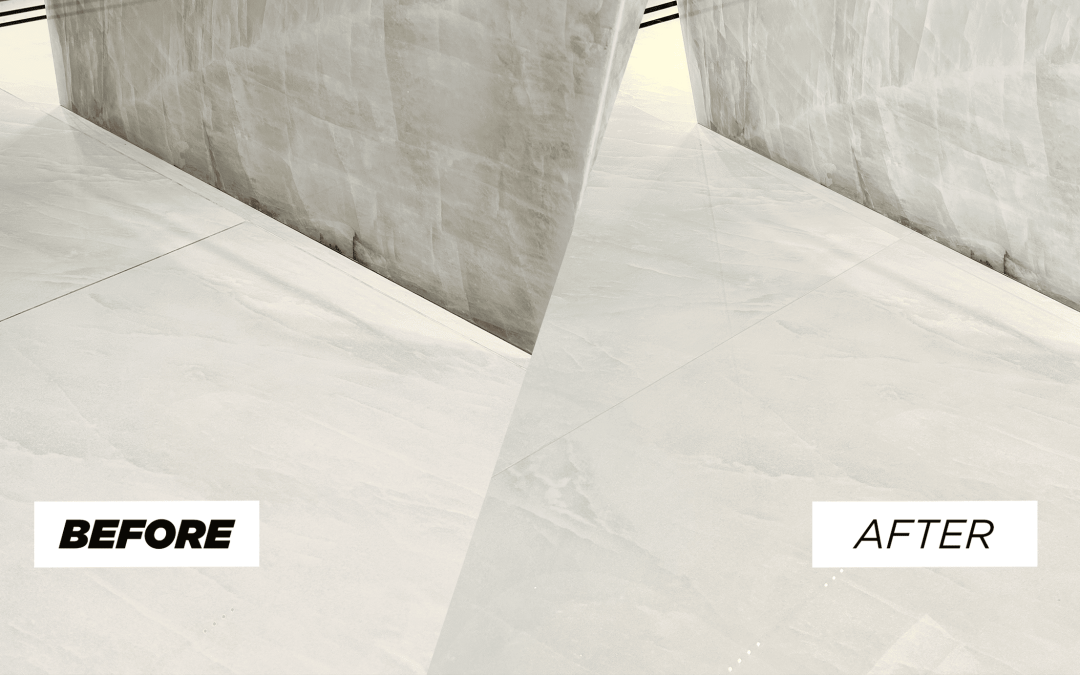
When it comes to achieving that perfect, seamless tile installation, mastering the art of grouting thin joints is essential. Whether you’re working with elegant subway tiles, sophisticated large format tiles, or intricate mosaic patterns, thin grout lines create a clean, modern aesthetic that many homeowners and designers in Dubai and the UAE prefer. However, grouting thin joints requires specific techniques, the right materials, and professional expertise to ensure long-lasting results.
At Grout King, Dubai’s premier grouting specialists, we’ve perfected the techniques for working with thin joints across thousands of projects throughout the UAE. Moreover, our experience with Dubai’s unique climate conditions and diverse architectural styles has taught us valuable lessons about what works best for thin grout applications in this region.
Understanding Thin Grout Joints
Thin grout joints, typically ranging from 1/16 inch (1.5 mm) to 1/8 inch (around 3 mm), create a virtually seamless appearance between tiles. Furthermore, they’re particularly popular in modern bathroom designs, kitchen backsplashes, and contemporary commercial spaces across Dubai and Abu Dhabi. The key to success lies in understanding both the benefits and challenges of working with such narrow spaces.
Why Choose Thin Grout Lines?
Enhanced Visual Appeal: Creates a sleek, continuous surface.
Modern Aesthetic: Aligns with contemporary design trends popular in UAE luxury developments.
Easier Cleaning: Fewer grout lines mean less surface area for dirt accumulation.
Tile Emphasis: Highlights the beauty of premium tiles without visual interruption.
Step-by-Step Guide: How to Grout Thin Joints
1. Prepare the Right Grout
Choose Unsanded Grout: For joints under 3 mm, unsanded grout is essential. Additionally, this type of grout has a smoother consistency that flows better into narrow spaces without leaving voids or air pockets.
Mix to Perfect Consistency: Combine the grout with water according to package instructions until it reaches a thick, peanut butter-like consistency. The mixture should hold together when squeezed but still be workable enough to spread smoothly.
Allow Slaking Time: Let the mixed grout rest for approximately 5 minutes. This crucial process, called slaking, allows the bonding agents to activate fully, resulting in stronger grout that will last longer in Dubai’s demanding climate conditions.
2. Apply the Grout Strategically
Load Your Float: Scoop a manageable amount of grout onto your rubber grout float. For thin joints, less is often more – you can always add additional grout as needed.
Use Shallow Angle Technique: Hold the float at a shallow angle (approximately 30 degrees) to the tile surface. Subsequently, spread the grout over the area while applying firm pressure to force it deep into the narrow joints.
Work Diagonally: Move the float diagonally across the tiles in multiple directions, creating an X-pattern. This technique ensures complete filling of the joints and prevents any voids or weak spots that could lead to future problems.
3. Remove Excess Grout Properly
Switch to Sharp Angle: Once the joints are filled, hold the float at a much sharper angle (nearly perpendicular to the surface) and carefully scrape away excess grout from the tile faces.
Clean with Precision: After the grout begins to stiffen slightly, use a clean, damp sponge to gently clean the tile surface. Work parallel to the joint lines whenever possible to avoid pulling grout out of the narrow spaces.
4. Final Finishing Touches
Tool the Joints: As the grout continues to set, gently smooth the grout lines with a grout tool or your finger to achieve a uniform, slightly concave finish that will shed water effectively.
Final Clean-up: Once the grout is firm enough to touch without disturbing, make a final pass to remove any remaining grout dust or haze from the tile surface.
Buff to Perfection: When fully dry, buff the tile surface with a clean, dry microfiber cloth to achieve that professional shine.
Expert Tips from Dubai’s Professional Community
Based on extensive research and feedback from tile installation professionals across the UAE, here are the most valuable insights for working with thin grout joints:
Tile Selection Matters
Rectified Tiles Are Essential: For the best results with thin grout lines, choose rectified tiles that have been precisely cut to exact dimensions. These tiles allow for more consistent spacing and reduce the risk of lippage between tiles.
Size Considerations: While thin grout lines work beautifully with smaller tiles and mosaics, be cautious with large-format tiles (over 30×30 cm). Many professionals recommend staying with 1/8 inch minimum joints for tiles larger than 12 inches (30 cm) to accommodate natural expansion and contraction.
Product Recommendations
Unsanded vs. Sanded: Never use sanded grout for joints under 3 mm. The sand particles can prevent proper filling of narrow spaces and may cause the grout to appear rough or uneven.
Premium Brands: Consider high-quality brands like Laticrete or Spectra Lock for premium projects. These products offer better workability and superior long-term performance in Dubai’s climate.
Epoxy Options: For high-moisture areas like shower enclosures, epoxy grout provides excellent stain resistance and durability, though it requires more skill to apply properly.
Common Challenges and Professional Solutions
The Spacing Debate: 1/16″ (1.5 mm) vs 1/8″ (3 mm).
While 1/16 inch grout lines create stunning visual effects, they come with increased challenges:
- Thermal Expansion Concerns: In Dubai’s extreme temperature variations, tiles expand and contract significantly. Consequently, very thin grout lines may crack over time due to insufficient space for movement.
- Installation Precision Required: Any inconsistencies in tile size or surface preparation become magnified with ultra-thin joints. Professional installation is strongly recommended for such precise work.
- Maintenance Considerations: Thinner joints are more susceptible to damage and may require more frequent professional maintenance.
Working with Mosaic and Multi-Piece Tiles
Many modern tiles feature multiple pieces or patterns within a single tile, creating numerous thin spaces that need grouting:
- Efficient Techniques: Use a smaller grout float or even a rubber spatula for better control in tight spaces. Work systematically to ensure all tiny joints are filled.
- Patience is Key: These installations take significantly more time than standard tile work. Rush jobs often result in incomplete joint filling and future problems.
- Professional Tools: Specialized tools like small rubber squeegees or precision grout applicators can make the process more manageable.
When to Call the Professionals: Grout King’s Expertise
While DIY grouting might seem straightforward, working with thin joints presents unique challenges that benefit from professional expertise. At Grout King, our certified technicians have developed specialized techniques specifically for Dubai’s climate and building standards.
Our Professional Advantage
Climate Expertise: We understand how the UAE’s extreme heat, humidity fluctuations, and occasional sandstorms affect grout performance, allowing us to select the ideal products and techniques for lasting results.
Precision Tools: Our professional-grade equipment includes specialized floats, mixing systems, and cleaning tools designed specifically for thin joint applications.
Services We Provide
New Installation: Professional grouting for new tile installations.
Restoration and Repair: Fixing cracked or damaged thin grout lines.
Cleaning and Sealing: Maintaining existing grout to extend its lifespan.
Color Matching: Matching existing grout colors for seamless repairs.
Maintenance Tips for Long-Lasting Results
Once your thin grout joints are perfectly installed, proper maintenance ensures they remain beautiful for years:
- Regular Cleaning: Use pH-neutral cleaners specifically designed for grout. Harsh chemicals can damage the narrow grout lines over time.
- Prompt Stain Treatment: Address stains immediately to prevent them from penetrating deep into the grout structure.
- Professional Sealing: Have your grout professionally sealed annually to protect against moisture and stains.
- Periodic Inspection: Regularly check for small cracks or damage that could worsen if left untreated.
Conclusion: Achieving Perfect Thin Grout Joints
Successfully grouting thin joints requires the right combination of materials, techniques, and expertise. While the results can be stunning, the precision required often makes professional grout installation the wisest choice. Furthermore, Dubai’s unique environmental conditions add additional complexity that experienced professionals can navigate effectively.
At Grout King, we’re committed to delivering exceptional results that stand the test of time in Dubai’s demanding climate. Whether you’re planning a new installation or need to restore existing thin grout lines, our team has the expertise and specialized equipment to ensure perfect results.
Ready to achieve perfect thin grout joints in your Dubai property? Contact Grout King today for a professional consultation. Our certified technicians will assess your specific needs and provide expert recommendations tailored to your project and Dubai’s unique requirements.