
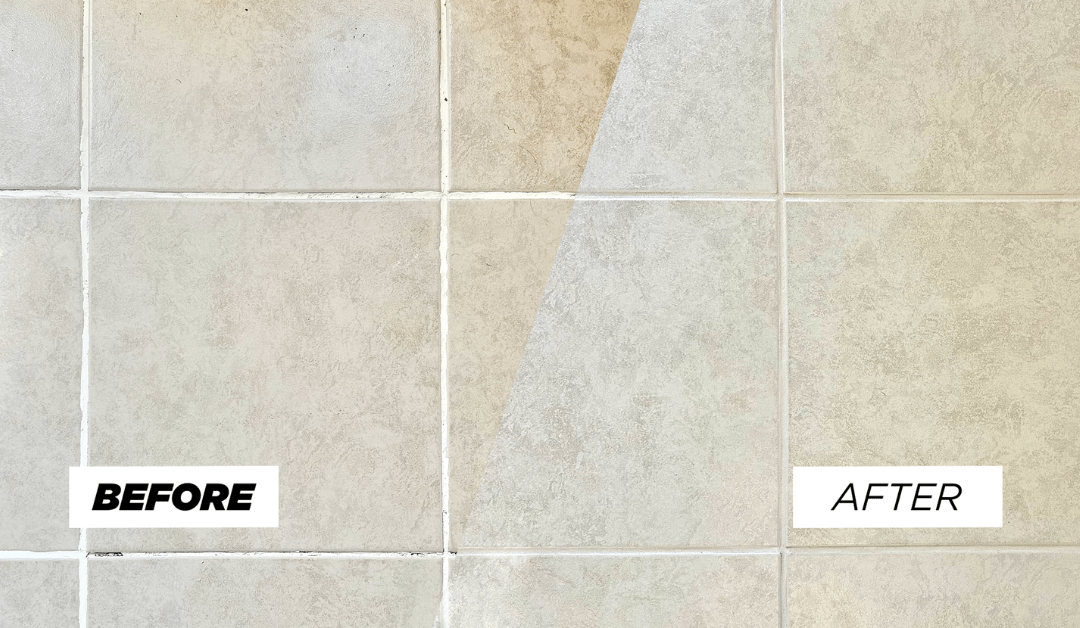
When your tile grout begins showing signs of wear, discolouration, or minor damage, you might be tempted to simply apply new grout over the existing material. However, this shortcut approach consistently leads to disappointing results and wasted effort. Understanding why grouting over old grout fails—even when done “correctly”—can save you from frustration and unnecessary expense whilst ensuring your tiled surfaces remain both attractive and functional.
The Definitive Answer
No, you should not apply new grout over old grout. Whilst technically possible under very specific conditions, the reality is that layering fresh grout over existing grout—regardless of preparation—produces inferior results that won’t last. Even when the existing grout appears sound, this approach compromises adhesion, creates uneven surfaces, and leads to premature failure that necessitates complete removal and proper regrouting.
Why Grouting Over Existing Grout Doesn’t Work
• Fundamental Adhesion Problems
New grout is designed to bond with tile edges and substrate materials, not with hardened grout surfaces. Even with extensive preparation, the chemical bond between new and old grout remains fundamentally weak:
Surface barriers: Old grout contains sealers, soap residue, oils, and microscopic contaminants that prevent proper bonding, even after cleaning.
Non-porous surface: Cured grout creates a dense, non-porous surface that new grout cannot penetrate effectively.
Incompatible materials: Different grout formulations don’t bond reliably to each other, creating structural weaknesses.
Consequently, the new grout layer becomes prone to cracking, flaking, and falling out within months—sometimes even weeks—of application.
• Structural Limitations
Beyond adhesion issues, grouting over existing grout creates inherent structural problems:
Insufficient depth: Adding grout on top of existing material reduces the effective depth of grout lines, compromising water resistance and mechanical strength.
Uneven surfaces: Old grout lines are rarely perfectly level, resulting in inconsistent new grout thickness and an unprofessional appearance.
Trapped moisture: Any moisture beneath the new layer becomes trapped, leading to mould growth, efflorescence, and grout deterioration.
Hidden damage: Surface applications mask underlying problems that continue worsening, eventually causing more extensive damage.
Moreover, this approach merely postpones the inevitable need for proper grout removal and replacement, whilst making that eventual work more difficult and expensive.
When People Mistakenly Think It’s Acceptable
The “Sound Grout” Myth
Some sources suggest that grouting over existing grout works when specific conditions are met—structurally sound grout, minimal recession, clean condition, and stable substrate. However, this advice ignores the reality that:
Appearance deceives: Grout may appear sound on the surface whilst harbouring microscopic cracks, contamination, and structural weaknesses underneath.
Temporary success: Initial adhesion may seem adequate, but the bond degrades rapidly with moisture exposure, temperature changes, and normal use.
Inadequate testing: Without laboratory-level analysis, homeowners cannot truly verify whether existing grout meets the stringent requirements for successful overlay.
Dubai’s climate: The UAE’s high humidity, temperature fluctuations, and environmental challenges accelerate the failure of compromised grout bonds.
Therefore, even in seemingly ideal conditions, the results prove unsatisfying and short-lived.
The False Economy
Many homeowners choose to grout over existing grout, believing it saves time and money. However, this approach consistently proves more expensive in the long run:
Repeated failures: When the new grout fails, you’ll need complete removal anyway—now dealing with two layers instead of one.
Increased labour: Removing failed overlay grout plus original grout requires significantly more time and effort than initial proper removal.
Additional damage: Failed grout allows water penetration, potentially damaging tiles, substrate, and surrounding structures.
Wasted materials: Money spent on overlay grout, sealers, and initial labour becomes completely wasted when failure occurs.
Investing in proper grout removal and replacement from the start delivers better value and eliminates the frustration of repeated repairs.
Why Complete Grout Removal Is Always Necessary
1. Achieving Proper Adhesion
Professional grout removal creates the conditions necessary for lasting results:
Clean substrate exposure: Removing old grout reveals the substrate and tile edges that new grout is designed to bond with.
Adequate depth: Proper grout lines provide sufficient depth for mechanical strength and water resistance.
Uniform surface: Fresh grout application on properly prepared surfaces creates consistent, professional-looking joints.
Moisture control: New grout applied to properly dried surfaces cures correctly without trapped moisture issues.
Furthermore, complete removal allows inspection of the substrate and tiles, revealing any underlying problems that require attention before regrouting.
2. Addressing Root Causes
When grout fails, simply covering it doesn’t address why it failed in the first place. Complete removal enables professionals to:
Identify substrate issues: Discover movement, flexing, or inadequate support causing grout failure.
Detect tile problems: Find loose, damaged, or improperly installed tiles requiring repair.
Assess waterproofing: Evaluate whether moisture barriers need repair or replacement.
Correct installation errors: Address improper tile spacing, inadequate substrate preparation, or other original installation defects.
Addressing these root causes prevents recurring problems and ensures your new grout performs as intended.
The Reality of “Proper Preparation”
Preparation Limitations
Even extensive preparation cannot overcome the fundamental limitations of grouting over existing grout:
Contamination persists: Microscopic contaminants remain embedded in old grout regardless of cleaning intensity.
Surface scratching is insufficient: Abrading the surface creates texture, but doesn’t establish the chemical bond that new grout requires.
Primers don’t compensate: Bonding agents improve adhesion marginally but cannot overcome the inherent weakness of grout-to-grout bonding.
Time investment wasted: The extensive preparation required for marginal results takes nearly as long as proper grout removal.
Therefore, the effort invested in preparing old grout for overlay would be better spent on proper grout removal and replacement.
Dubai’s Environmental Challenges
The UAE’s unique climate conditions make overlay grouting particularly problematic:
Extreme humidity: High moisture levels accelerate the failure of weak grout bonds and promote mould growth in trapped spaces.
Temperature fluctuations: Expansion and contraction stress the weak interface between old and new grout, causing separation.
Sand and dust: Fine particles infiltrate existing grout, creating additional barriers to adhesion.
Water exposure: Frequent cleaning and shower use in bathrooms quickly compromise inadequate grout bonds.
These factors mean that overlay grout failing satisfactorily elsewhere might fail even more rapidly in Dubai properties.
Professional Grout Removal and Replacement: The Right Approach
Comprehensive Process
Professional grout specialists follow a proven process that ensures lasting results:
Complete removal: Using specialised tools to remove all old grout without damaging tiles.
Substrate inspection: Examining the surface for damage, movement, or moisture issues requiring repair.
Proper cleaning: Thoroughly cleaning joints, tiles, and substrate to remove all debris and contaminants.
Controlled drying: Allowing adequate drying time before applying new grout.
Quality materials: Selecting grout formulations specifically suited to Dubai’s climate and your application.
Expert application: Applying grout with proper technique to ensure complete joint filling and optimal bonding.
Appropriate curing: Maintaining ideal conditions during curing for maximum strength development.
Professional sealing: Applying high-quality sealers to protect against moisture and staining.
This comprehensive approach delivers results that last for years rather than months.
Investment vs. False Economy
Whilst professional grout removal and replacement costs more initially than attempted overlay work, it provides superior value:
- One-time solution: Proper work eliminates the need for repeated repairs and do-overs.
- Extended lifespan: Professional regrouting lasts around 10 years or more with proper maintenance.
- Property protection: Prevents water damage to substrates, structures, and adjacent areas.
- Aesthetic quality: Achieves a professional appearance that enhances rather than detracts from your tiles.
- Peace of mind: Eliminates the stress and uncertainty of wondering when overlay grout will fail.
Moreover, avoiding the overlay approach means you won’t waste money on materials and efforts that provide only temporary, unsatisfactory results.
Alternative Solutions That Actually Work
• Professional Grout Cleaning
Before committing to regrouting, consider whether your grout truly needs replacement or simply requires thorough cleaning:
Deep cleaning: Professional cleaning removes years of accumulated dirt, stains, and contamination.
Specialised equipment: Specialised solutions achieve results impossible with household methods.
Mould treatment: Professional treatments eliminate mould spores and prevent recurrence.
Dramatic transformation: Clean grout often looks nearly new, eliminating the need for replacement.
This approach costs significantly less than regrouting whilst achieving impressive aesthetic improvements—provided the grout remains structurally sound.
• Grout Colouring (With Realistic Expectations)
When grout is structurally sound but stained, professional grout colouring offers an alternative:
Epoxy-based colourants: Create a durable, uniform appearance across all grout lines.
Stain resistance: Sealed coloured grout resists future staining better than original grout.
Colour flexibility: Choose from various colours to update your tiles’ appearance.
Temporary solution: Understand that colouring addresses aesthetics only, not structural issues, and eventually wears through high-traffic areas.
However, remember that colouring works only when existing grout remains intact and properly adhered—it cannot compensate for failing grout.
About Grout King
Grout King specialises in professional grout removal and replacement throughout Dubai and the UAE. Our experienced team understands that cutting corners with overlay approaches leads to disappointment and wasted investment. We provide comprehensive services, including:
- Complete grout removal using specialised equipment.
- Substrate inspection and repair.
- Professional regrouting with premium materials.
- Grout cleaning and restoration.
- Tile repair and replacement.
We utilise materials specifically formulated for Dubai’s challenging climate, ensuring results that withstand high humidity, temperature fluctuations, and intensive use. Our commitment to proper methodology—never overlay shortcuts—protects your investment and delivers the lasting quality your property deserves.
When to Call Professionals
Whilst the temptation to save money with DIY overlay grouting may seem appealing, professional services prove essential for:
- Any regrouting project: The specialised tools and expertise required for proper grout removal justify professional intervention.
- Shower and wet areas: High-moisture environments demand flawless installation that only experienced professionals reliably deliver.
- Large areas: Extensive projects require efficiency and consistency that professional teams provide.
- Valuable properties: Protect your investment with work backed by professional standards.
- Peace of mind: Eliminate uncertainty and frustration by ensuring the job is done right the first time.
Professional assessment costs nothing and provides honest guidance about whether your grout requires replacement, cleaning, or other solutions.
Making the Right Decision
When evaluating your grout condition, remember these key principles:
- Overlay never satisfies: Regardless of preparation, grouting over existing grout produces inferior results that fail prematurely.
- Proper removal is essential: Complete grout removal creates the foundation for lasting, professional results.
- Climate matters: Dubai’s environmental conditions accelerate the failure of compromised grout installations.
- Investment perspective: Spending more initially on proper work costs less than repeated repairs of failed overlay attempts.
- Professional expertise: Experienced specialists deliver results that DIY shortcuts cannot match.
Take the time to invest in proper grout removal and replacement rather than pursuing the false economy of overlay approaches that inevitably disappoint.
Conclusion
You cannot successfully apply new grout over old grout. Despite what limited circumstances some sources suggest might work, the reality consistently demonstrates that this approach delivers unsatisfying results—even when extensive preparation is undertaken. The fundamental incompatibility between new and old grout, combined with structural limitations and Dubai’s challenging climate, ensures that overlay grouting fails prematurely and necessitates the proper grout removal that should have been done initially.
Rather than wasting time, money, and effort on an approach destined to fail, invest in professional grout removal and replacement from the start. This proven methodology delivers attractive, durable results that protect your property and stand the test of time in the UAE’s demanding environment.
When you’re ready for grout work done right, contact Grout King—Dubai’s trusted specialists in professional grout removal, replacement, and restoration. We never compromise quality with shortcuts, ensuring your tiled surfaces receive the proper care they deserve for results that truly last.